
Protect Your Appliances: The Hidden Cost of High Water Pressure
If your shower feels weak one day and fire-hose strong the next, your home’s water pressure may be out of the sweet spot. The right pressure keeps showers comfy, appliances happy, and pipes safe. The good news? You can check water pressure at home in a few minutes with an inexpensive gauge and a little guidance.
What Good Water Pressure Looks Like
Most homes feel best between 40 and 60 PSI, with 50 PSI as a comfortable target. Below 40 PSI, you’ll notice low water pressure in showers and faucets. Above 60–80 PSI, you risk leaks, water hammer, and premature wear on water heaters, ice makers, and washing machines.
Why Water Pressure Matters
- Comfort and convenience: Steady, clear showers and faster fills for tubs and appliances.
- Protects your plumbing: Excess pressure can stress valves, seals, and supply lines.
- Saves money: Prevents hidden drips and helps avoid emergency repairs.
Improves appliance life: Water heaters and dishwashers last longer at proper PS
What You Need
- A water pressure gauge with a hose thread and a small leak-proof washer.
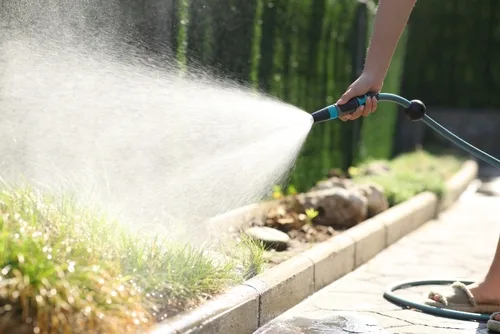
- A working outdoor spigot or laundry sink faucet.
- Optional: Teflon tape and a notepad to record PSI readings.
How to Check Water Pressure: Step by Step
- Choose the right spot: Use a hose bib closest to where water enters the house. This gives the most accurate whole-home reading.
- Turn off indoor water use: Make sure no one is showering, washing dishes, or running laundry.
- Attach the gauge: Hand-tighten the gauge to the spigot. Add Teflon tape if the connection weeps.
- Open the spigot fully: Watch the needle climb and note the PSI.
- Test at different times: Check morning and evening. Demand changes can swing pressure a bit.
- Optional flow check: Run a faucet indoors and briefly recheck the gauge. A big drop can indicate a flow restriction or partially closed valve.
- Pro tip: At Roto-Rooter Delmarva, we also compare pressure at multiple fixtures and, when needed, use digital gauges and flow meters to spot pressure regulator issues and supply restrictions fast.
What Your Reading Means
- Under 40 PSI: This is on the low side. You may see weak showers and slow-filling appliances.
- 40 to 60 PSI: Ideal for most homes. Enjoy it.
- 60 to 80 PSI: Borderline high. It may be time to adjust or install a pressure reducing valve (PRV).
- Over 80 PSI: Too high. This can cause leaks, noisy pipes, and appliance damage. A PRV and thermal expansion tank are recommended.
When to Call a Professional
Call in help if pressure fluctuates wildly, you hear banging pipes, only hot water is weak (often a water heater issue), or adjustments don’t hold. A licensed tech can test pressure under load, inspect the PRV, and check for partial blockages or hidden leaks without the guesswork.

The Bottom Line
Keeping your home water pressure in the right range is one of the simplest ways to improve comfort and protect your plumbing.
If you’d like a quick diagnostic or help dialing in the perfect PSI, Roto-Rooter Delmarva is here for you. If you need assistance or the issue is serious, don’t hesitate to contact Roto-Rooter Delmarva for expert help.